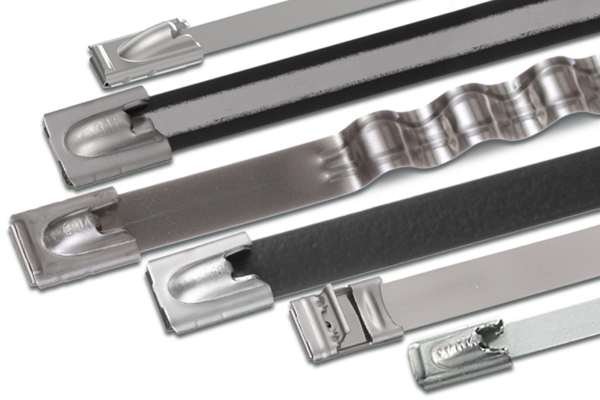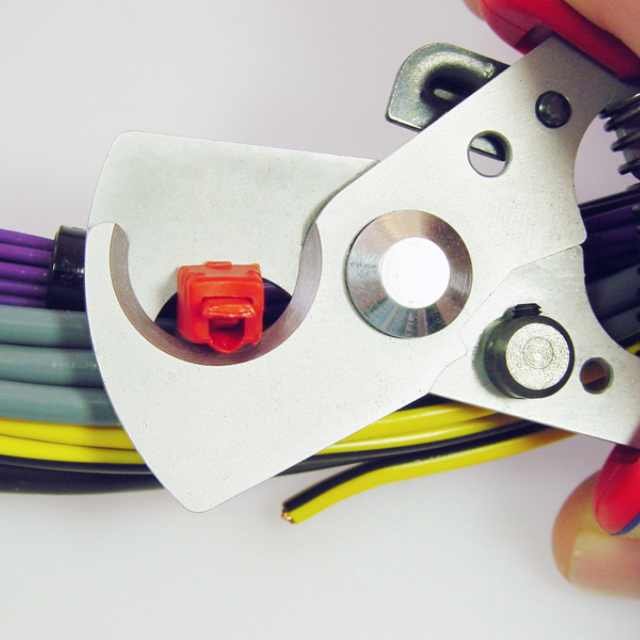
Factories face endless wiring and fastening challenges. Without proper solutions, chaos, downtime, and accidents increase. Industrial cable ties solve these problems with strength, safety, and cost-effective performance.
Industrial cable ties are specialized fasteners designed to handle heavy loads, extreme temperatures, and demanding environments. They secure cables, hoses, and materials in factories, construction, automotive, oil and gas, and other industries.

I have worked with many factory owners who underestimated the role of cable ties. After production delays and safety incidents, they realized these small tools are essential for smooth and safe operations.
What makes industrial cable ties different from regular cable ties?
Many people think all cable ties are the same. That mistake costs time and money. Regular ties cannot survive harsh industrial conditions.
Industrial cable ties are made with stronger materials like nylon 66, stainless steel, or silicone. They resist heat, chemicals, and vibration, and handle heavier loads compared to regular ties.
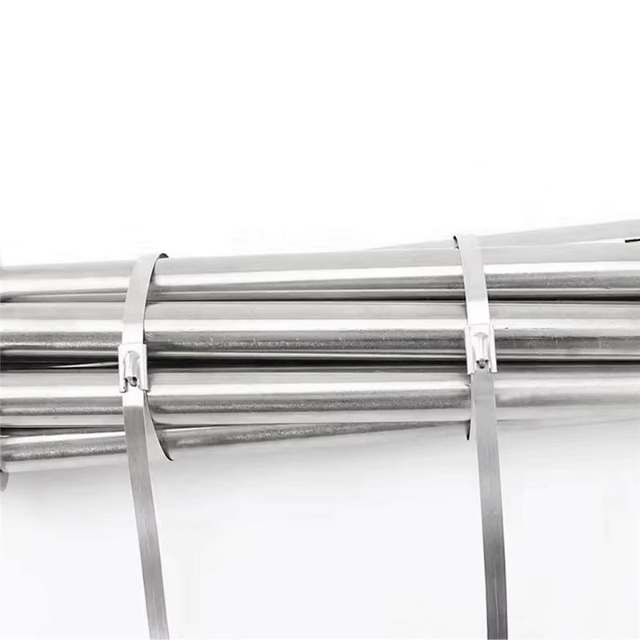
I once visited a factory in Africa that used low-grade ties from the local market. Within weeks, ties broke due to heat and friction, causing cables to sag and machines to stop. We replaced them with heat-resistant nylon ties and stainless-steel ties. Production became stable, and the factory could finally trust its wiring.
Comparison: Industrial vs Regular Cable Ties
| Feature | Regular Cable Ties | Industrial Cable Ties |
|---|---|---|
| Material | Standard nylon | Nylon 66, stainless steel, silicone |
| Strength | Light duty | Heavy-duty tensile strength |
| Temperature Range | 0–85°C | -40–150°C or more |
| Resistance | Low | High against chemicals, UV, corrosion |
| Lifespan | Short term | Long term, even in harsh conditions |
Industrial cable ties stand apart because they are designed to last. They protect machines, people, and profits in environments where failure is not an option.
Which types of industrial cable ties are most common?
Choosing the wrong type creates risks and waste. Every industry needs the right tie for its conditions.
The most common industrial cable ties include nylon ties, stainless steel ties, silicone ties, and releasable ties. Each type fits specific environments and performance needs.
I worked with a client in the Middle East oil industry. They used nylon ties that melted under high heat. After switching to stainless steel ties with polymer coating, the failures ended. Another client in Europe shifted to silicone ties for food processing lines, passing hygiene audits with ease.
Main Types of Industrial Cable Ties
| Type | Best Use | Advantages |
|---|---|---|
| Nylon 66 Ties | General factories, electronics | Strong, flexible, affordable |
| Stainless Steel Ties | Oil, gas, marine | Heat and corrosion resistance |
| Silicone Ties | Food, medical | Chemical resistance, hygiene safe |
| Releasable Ties | Electronics, automotive | Adjustable, reusable |
| Heavy-duty Ties | Construction, utilities | High tensile strength |
Each type of tie offers unique benefits. The right choice reduces risk and increases efficiency. The wrong one leads to breakdowns and high costs.
How do industrial cable ties improve safety?
Loose or damaged wires cause accidents, fires, and injuries. I have seen how poor cable management damages machines and harms workers.
Industrial cable ties improve safety by securing cables, preventing tripping hazards, resisting fire and chemicals, and ensuring compliance with workplace safety standards.
I once advised an automotive parts plant in Europe. Workers faced repeated tripping hazards from hanging wires. After replacing weak ties with flame-retardant nylon ties rated UL94V-2, accidents stopped. Insurance claims fell, and workers moved safely through the floor. Safety improved, and so did morale.
Safety Roles of Cable Ties
| Type | Safety Benefit |
|---|---|
| Flame-retardant Nylon Ties | Reduce fire risk |
| Stainless Steel Ties | Survive heat, vibration, corrosion |
| Silicone Ties | Safe in food and medical areas |
| Releasable Ties | Prevent forceful wire damage during changes |
Factories that take safety seriously know the value of choosing the correct tie. Safety is built from the ground up, and cable ties are part of that base.
How do industrial cable ties reduce costs?
Factories worry about budgets every day. Many owners overlook the cost of small failures caused by weak cable ties.
Industrial cable ties reduce costs by extending wire life, lowering maintenance downtime, and preventing expensive repairs. They also help avoid fines from compliance issues.
I supported a South American packaging plant that replaced wires every three months due to wear. After switching to heat-resistant nylon and heavy-duty ties, replacements dropped to once a year. The savings paid for automation upgrades, which gave the company a major advantage.
Cost-saving Impacts
| Problem | Cable Tie Solution | Result |
|---|---|---|
| Wire wear | Heavy-duty nylon ties | Extended cable life |
| Machine downtime | Heat-resistant ties | Reduced stoppages |
| Frequent repairs | Stainless steel ties | Lower maintenance cost |
| Safety fines | Flame-retardant ties | Regulatory compliance |
The lesson is clear. A cheap tie that fails costs more than a strong tie that lasts. Investing in quality reduces waste and protects profits.
Which industries benefit most from industrial cable ties?
Every industry uses cables, hoses, or pipes. Without secure fastening, all face risks. But some industries depend more heavily on strong cable ties.
Industries that benefit most include automotive, oil and gas, food and medical, construction, and electronics. Each industry has unique needs for fastening tools.
I once helped an electronics factory in Asia struggling with wire adjustments during assembly. Releasable ties gave them flexibility without breaking ties each time. Another case was a dairy factory that switched to silicone ties for hygiene compliance. They passed audits and expanded production confidently.
Industries and Cable Tie Use
| Industry | Tie Type | Benefit |
|---|---|---|
| Automotive | Heat-resistant nylon | Handles vibration, heat |
| Oil & Gas | Stainless steel | Withstands harsh environments |
| Food & Medical | Silicone | Meets hygiene standards |
| Electronics | Releasable ties | Flexible adjustments |
| Construction | Heavy-duty ties | Holds large loads |
Each industry must choose carefully. The right ties protect workers, machines, and reputations. The wrong ones create setbacks and losses.
Conclusion
Industrial cable ties are silent protectors of efficiency, safety, and budgets. Choosing the right type for each industry is the key to lasting results.