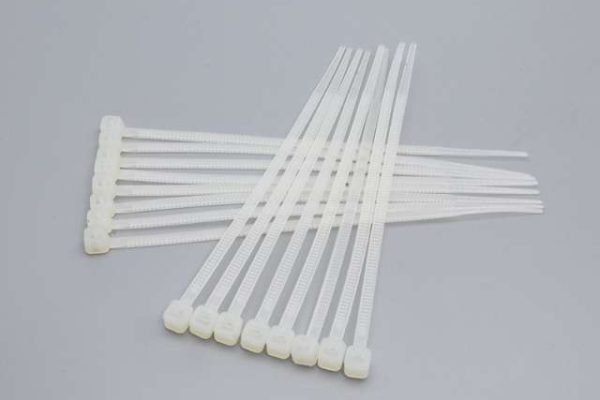
When you ship or sell cable ties worldwide, one of the most common questions from your customers is simple: “How long will these ties last outside?”
The answer depends on what they’re made of, where they’re used, and how they’re handled — but there’s real data you can use to make smart buying decisions.
Why Lifespan Matters for Your Business
A zip tie that fails too soon doesn’t just break — it breaks trust.
- Importers: Under-spec’d materials can lead to returns, product claims and wasted freight costs.
- Distributors: Selling the right tie for each environment reduces customer complaints and strengthens your reputation.
- OEM brands: Outdoor durability is part of your brand promise — a failed tie can mean a failed product.
Outdoor lifespan also affects replacement cycles and inventory turnover. A tie that lasts 7 years instead of 2 means lower maintenance and higher long-term savings for your clients.
Key Factors That Affect Outdoor Lifespan
Material & Additives
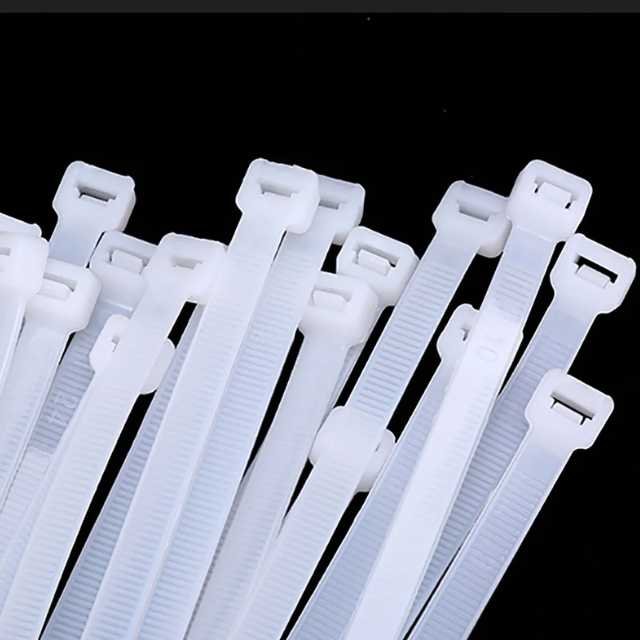
Most zip ties are made from nylon 6/6, a strong, lightweight polymer. However, standard nylon degrades quickly under UV exposure.
Adding a UV stabilizer or switching to nylon 612 can extend lifespan from 1–2 years to 7–9 years outdoors. Learn more on Nylon 6/6 here →
UV & Sunlight Exposure
Sunlight is the #1 cause of polymer aging. Constant UV exposure breaks molecular bonds, causing color fade and brittleness.
Black UV-resistant ties last significantly longer than natural (clear) ties because the carbon black pigment blocks UV light.
Temperature, Moisture & Chemicals
Extreme heat accelerates oxidation; cold makes plastic brittle. Humidity and salt air can shorten lifespan by 20–40 %.
Chemicals like fuel, oil and solvents also attack nylon chains over time.
Mechanical Stress & Load
Over-tightening, vibration or constant pull stress cause micro-cracks that lead to failure. Correct tensioning tools can increase life by up to 30 %.
Typical Lifespan Ranges by Material
| Material Type | Typical Outdoor Life | Key Features |
|---|---|---|
| Standard Nylon 6/6 | 6 months – 2 years | Low cost; indoor use recommended |
| UV-Stabilized Nylon 612 | 7 – 9 years | Resists UV and humidity; ideal for solar & telecom projects |
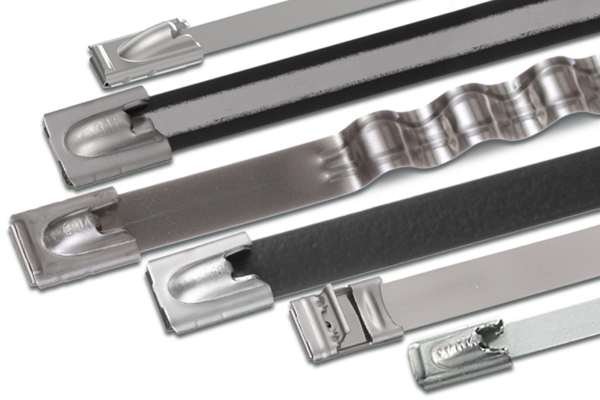
| Stainless Steel / Coated Metal | 5 – 10 + years | High heat & chemical resistance; marine & industrial use |
What Importers, Distributors & OEMs Should Look For
Specification Checklist
- Material: Nylon 6/6 or 612, 316 stainless steel, or coated metal.
- Tensile Strength: 18 lbs – 250 lbs depending on application.
- Temperature Range: –40 °C to +85 °C (standard) / up to +150 °C for metal ties.
- UV Rating: Black ties with carbon black content ≥ 2 %.
- Certifications: UL, ISO 9001, RoHS compliant.
Certification & Quality Control
Always verify manufacturer testing reports and batch certificates. Look for consistent tensile tests and aging data.
If you supply OEM clients, request a UV aging test report (ASTM D638) for documentation.
Supplier Questions & Sample Testing
Before placing large orders, ask your supplier:
- What UV stabilizer formula is used?
- How are ties stored before shipment?
- Can you provide sample ties for accelerated UV testing (1,000 hours)?
At HCableTie, we offer sample packs for outdoor field testing — ideal for OEM approval processes.
Request a sample now →
Tips to Maximise Outdoor Lifespan
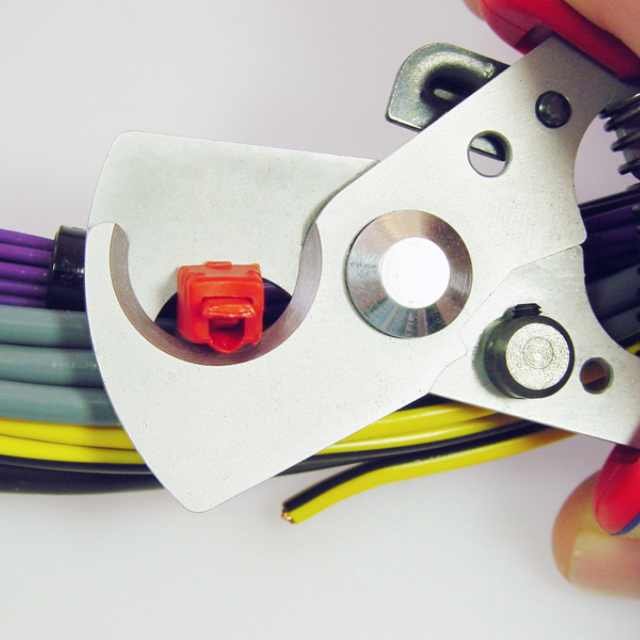
- Proper Installation: Use a tension tool to avoid over-tightening and cutting the strap.
- Inspection Schedule: In hot or UV-intense regions, inspect every 2–3 years. Replace if ties show discoloration or cracking.
- Storage Before Use: Keep in sealed bags under 25 °C. Avoid sunlight and moisture exposure in warehouses.
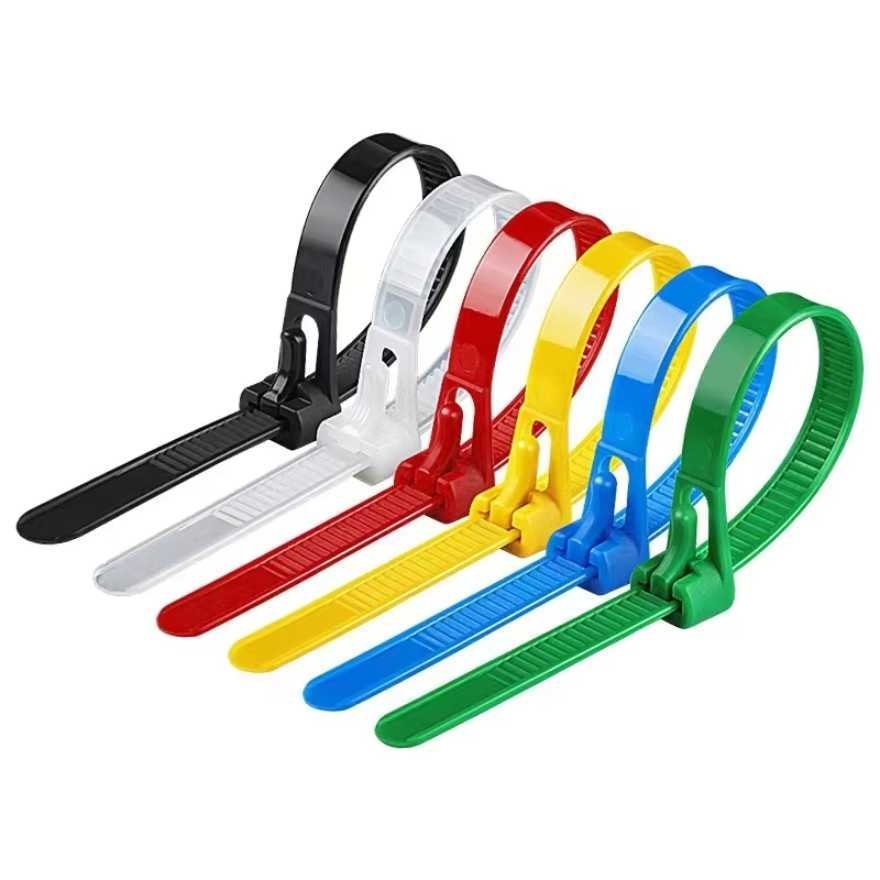
- Choose Color Wisely: Black ties outlast white by 2× to 3× under UV radiation.
Real-World Case Study
Example 1: Solar Farm in Arizona
A solar installation used UV-stabilised nylon 612 ties for panel cable management.
After 5 years under intense sun and 50 °C heat, inspection found 90 % ties still functional — compared to 1-year failure on standard nylon.
Example 2: Coastal Telecom Project in Malaysia
316 stainless-steel ties were installed near the shoreline. Despite constant humidity and salt spray, they remained corrosion-free for 8 years.
This saved the client an estimated USD 12,000 in annual maintenance.
Summary
Outdoor zip tie lifespan depends on three main factors: material type, environmental exposure, and installation quality.
Standard nylon may last under 2 years, but UV-stabilised nylon 612 and metal ties can serve for a decade or more.
If you supply or manufacture for outdoor applications — solar, electrical, telecom — it pays to choose the right grade from the start.
📩 Ready to upgrade your outdoor range?
Contact our export team → for a free consultation and spec sheet download.